Courtside Courtesy: The Booking Habits That Keep Coylton Tennis Humming

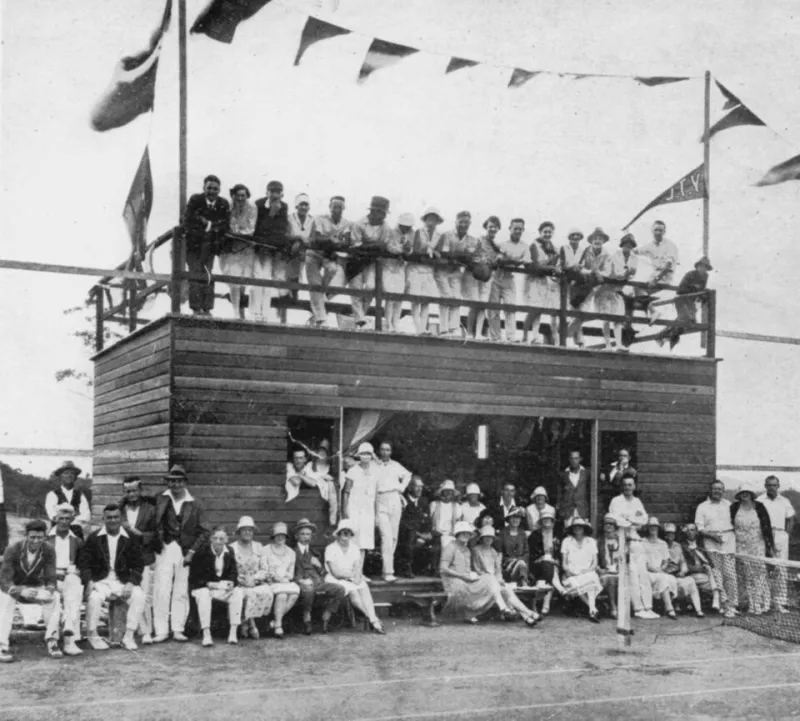
Photo: tennis clubhouse booking sheet players on court, via i.pinimg.com
Everyone at Coylton has an opinion about the booking sheet. It is the first thing you check before a weekend hit, the last thing you remember before an evening league match, and the quiet source of more club grumbles than the weather. That is not because members are difficult. It is because courts are precious. When the light is good, the forecast is dry and the after-work slots are gone in minutes, a booking sheet stops being admin and starts being a shared agreement.
The booking sheet is a community noticeboard
It is easy to think of a booking as a private arrangement between you and a rectangle of tarmac. In practice, every entry on the sheet affects someone else. A slot held and not used is a slot someone else could have had. A court booked for four players and used by two is a wasted opportunity. A late cancellation is mildly annoying. A no-show is the one that really stings.
The good news is that most Coylton members already get this. The small unwritten rules are not complicated, and they are usually followed without anyone having to say a word. A reminder now and then does no harm, though, especially as the club gets busier.
Peak times need a light touch
Weekend mornings and weekday evenings are the golden hours. They are also when fairness matters most. Book what you need, use what you book, and release it if your plans change. If you are lucky enough to grab a prime slot, enjoy it, but do not treat the sheet as a season ticket.
If you are organising a regular game, think about whether the same group really needs the same prime slot every week. Rotating times, sharing the occasional court, or moving to a quieter slot now and then keeps the system feeling open. It also means newer members can actually find a game.
Guests are welcome, but keep it fair
Bringing a friend or a workmate to Coylton is one of the best ways to grow the club. A guest who enjoys a friendly doubles match is a guest who might come back as a member. But guests should not take the mickey. Check the club rules on guest fees and how often a guest can play. Make sure your guest knows the basics: court etiquette, changing ends, and the fact that the clubhouse kettle is not self-service if someone else is already on tea duty.
If you are bringing a guest into a social session, introduce them. A quick hello and a name goes a long way. Nobody wants to be the stranger standing at the net while everyone else catches up.
Cancel early, not at the gate
Plans change. That is life. The difference between a good booking citizen and a frustrating one is usually timing. If you know you cannot make a court, cancel as soon as you can. That gives someone else a chance to play and saves everyone the awkward dance of wondering whether you are coming.
Weather is the classic excuse, and sometimes it is legitimate. But try to make the call early rather than waiting until the last minute. A cautious look at the forecast and a quick message to your group is far better than holding a court just in case while others sit at home.
Doubles courts are for sharing
A doubles booking is a four-person booking. If only two of you turn up, you have a choice: play a narrow singles, or invite someone in. The second option is nearly always better. There is usually someone around the clubhouse who would bite your hand off for a set, and a mixed-in four is more fun than two players trying to cover the whole court.
If you have booked a court for doubles and a pair is waiting, a quick rotation is good manners. It is also good tennis. Different partners and opponents make you a better player, and it keeps the club feeling like a club rather than a series of private reservations.
The no-show is the small leak that empties courts
No-shows are the booking sheet equivalent of leaving the gate open. One does not seem like much. A pattern of them makes the whole system feel less reliable. If you cannot make it, cancel. If you are running late, message. If you have genuinely forgotten, apologise and try to be more careful next time. Life happens; silence does not help anyone.
Most members are forgiving about the odd mistake. What wears thin is repeated no-shows or a booking made just in case that is never released. It is a small thing, but small things are what keep a community club running.
A practical checklist for Coylton bookers
- Check the sheet before you book, and book only the time you will actually use.
- If your plans change, cancel as early as you can. Early cancellations are a gift to the next player.
- Arrive on time and be ready to start. Courts are not a waiting room.
- If you have booked doubles and only two turn up, invite others in.
- Tell guests about the club rules and guest fees before they arrive.
- Leave the court tidy, take your rubbish with you and check the gate and lights if you are last off.
- Include newcomers. A quick introduction and a rotation in a social game makes a big difference.
- If you are running late or stuck, send a quick message. Most people are fine with a delay; they are less fine with silence.
Small rules, big welcome
None of this is glamorous. It will never make a highlights reel. But these are the habits that keep Coylton courts busy and welcoming. A booking sheet is not just a list of times. It is a small statement of how we treat each other. Book fairly, cancel early, share when you can, and the whole club benefits. That is a pretty good trade for a few seconds of admin.