Lights On, Layers On: A Coylton Tennis Guide to the 2026 Winter Season
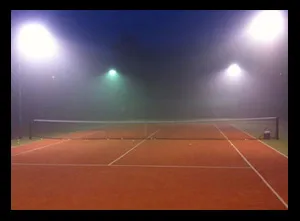
Photo: Light Defender, CC BY-SA 3.0, via Wikimedia Commons
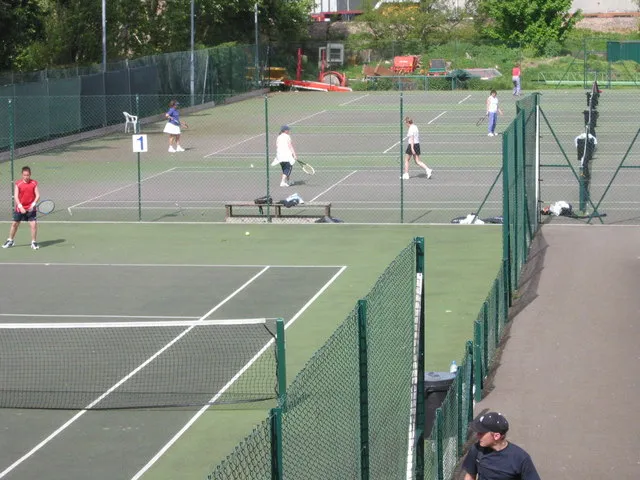
There is a particular sound to a Coylton winter tennis night: the thump of a ball, the hum of floodlights, and someone in the car park asking whether anyone remembered to bring a towel. By the first week of November 2026, the clocks have gone back, the village is into its darker evenings, and the courts take on that familiar cold-weather character.
Winter tennis is not complicated, but it does ask for a bit of thought. A little planning goes a long way towards keeping courts playable, lights fairly shared and everyone warm enough to actually enjoy the rally. So here is our practical, slightly bossy-but-well-meaning checklist for the months ahead.
Book the lights, then share them properly
Floodlit court time is precious in Coylton, especially once the sun has packed up for the afternoon. If you have booked a slot, treat it like a dinner reservation: turn up, start on time, and do not cling to the court ten minutes past the end because you are finally 3-3 in the second set. Someone else is probably standing in the cold waiting.
If your plans change, cancel the booking as early as you can. A court that sits empty under floodlights while someone else is refreshing the booking page is a small local tragedy. And if you are playing doubles, think about whether a shorter format might let more people on court. Forty minutes of lively doubles can be better than ninety minutes of increasingly cold singles.
A simple rule works well: book it, use it, release it if you cannot. That keeps the lights busy without making them feel like a private members' club for the same four people every Tuesday.
Look after the surface when the weather turns
Ayrshire winter weather does not do subtle. One day it is a crisp, playable cold; the next it is horizontal drizzle and a court that looks more like a shallow pond. Before you start, have a look at the surface. If there is standing water, frost or a proper slippy sheen, leave it. No rally is worth a twisted ankle.
Leaves are the other winter nuisance. A soft brush or blower before play is fine, but avoid scraping at frost or ice. Let the court thaw naturally rather than trying to hurry it along. If you spot a damaged line, a wobbly net fitting or a drain that is clearly not draining, report it to the club rather than hoping the next person will. We all use the same courts, so we all have a stake in keeping them decent.
Wet-weather care is not glamorous, but it is the difference between a court that survives the winter well and one that needs attention every spring.
Warm up like you mean it
Cold muscles and a cold ball are a bad combination. Five to ten minutes of proper warm-up is not just for league players. Start with a gentle jog or brisk walk, then add some dynamic movement: ankle circles, calf raises, hip openers, arm swings and a few easy shoulder rotations. Save the deep static stretches for afterwards, if at all.
On court, begin with gentle mini-tennis and build up. Do not launch into full-power serves straight away. The first ten minutes are there to wake the body up, not to prove a point. Between points, keep moving a little rather than standing still and stiffening up. A spare layer that you can peel off once you are warm is worth more than a heroic short-sleeved start.
Footwear, layers and the small comforts
Proper tennis shoes with a decent grip are more important than ever when the surface is cold or slightly damp. Running shoes may feel comfortable, but they are not built for sideways movement on a tennis court. A dry spare pair of socks in the bag is a tiny luxury that feels enormous after a winter session.
Layers are your friend. A thermal base, a light fleece and a waterproof top will cover most Coylton evenings. Gloves are tricky for playing, but a pair for before and after is sensible. Bring a towel, maybe a hat, and a flask if you are the sort of person who plans ahead. The clubhouse kettle has its fans for a reason.
Be seen, be safe, be sensible
Darker evenings mean the car park, the path and the court gates all need a second thought. Park where there is light if you can, walk to and from the courts with someone else when possible, and keep a phone torch handy. Reflective bits on a jacket or bag are not a fashion statement, but they are genuinely useful in November.
Check that gates are closed and equipment is put away when you leave. If you are last off court, make sure the lights are off and the clubhouse is secure. If you are playing alone or with one other person, let someone know where you are. That is not being over-cautious; it is just good club manners in the dark months.
Make the most of the daylight you have
Weekend daytime slots become gold dust in winter. If you can play on a Saturday or Sunday morning, do. It is often milder, the light is better and the courts feel friendlier somehow. Lunchtime hits work well for people who can sneak an hour away from the desk, and shorter formats such as fast four or timed sets are ideal when the light is fading.
Junior sessions and coaching often move earlier in the day, so keep an eye on the club calendar. A little flexibility from everyone helps the whole schedule breathe.
The clubby bit
Winter tennis at Coylton is not really about battling the elements. It is about keeping the habit going, seeing familiar faces and making sure the courts are still there for everyone when spring arrives. So book fairly, warm up properly, look after the surface and keep an eye out for the person standing alone at the gate. That is the winter game plan. Lights on, layers on, and see you out there.