Cold Hands, Loose Calves: The Ten-Minute Coylton Warm-Up That Earns Its Keep
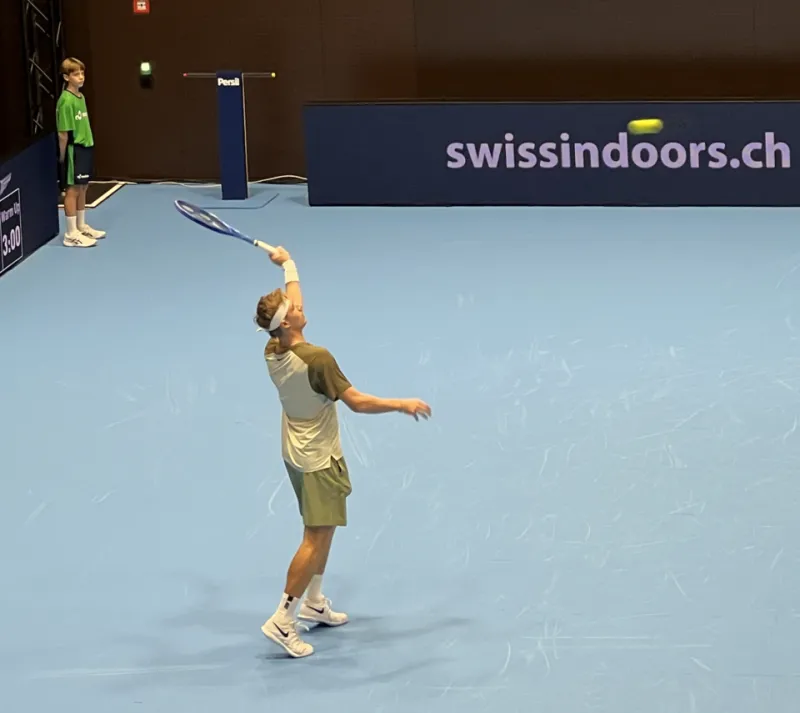
Photo: LHC88, CC BY 4.0, via Wikimedia Commons
There is a particular kind of Coylton evening in November when the floodlights come on early, the court surface holds a little more bite, and everyone arrives saying they are “just having a hit.” Ten minutes later, someone is rubbing a shoulder, someone else is hopping on a tight calf, and the first three games have gone by in a blur of mishits and apologetic calls. The warm-up is not the glamorous part of club tennis. It is, however, the part that often decides whether the evening feels like a treat or a test.
Why the cold changes the first five games
On a mild summer evening, you can get away with a couple of gentle rallies and a chat by the net. On a cold court, your body is less keen to cooperate. Muscles feel shorter, joints feel stiffer, and the little adjustments that make a half-volley or a low volley feel comfortable are slower to arrive. For mixed-ability social doubles, that matters. One player may be ready to move after two minutes; another may need eight. A proper warm-up gives the pair a shared starting point.
The aim is not to turn a friendly club night into a fitness session. It is to raise your temperature, wake up the joints you actually use, and remind your hands what a racket feels like before the score starts to matter.
Minutes 0–3: get the engine running
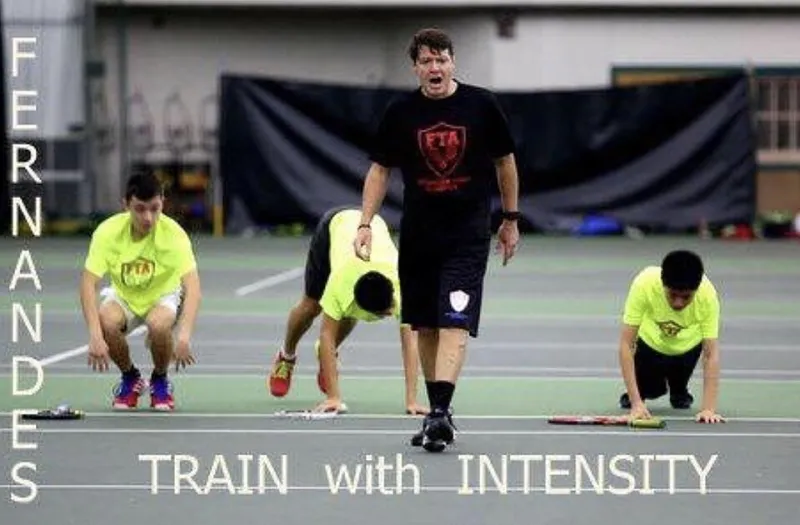
Start with movement, not stretching. A brisk walk around the back of the court, moving into a gentle jog, is enough to get the blood moving. Add in some easy side-steps, a few arm circles in both directions, and some relaxed leg swings. Keep the swings controlled rather than competitive. If you feel the cold in your calves, spend a little longer on ankle rocks and small bounces on the spot.
This is also the moment to check the basics: laces tied, pockets empty, and that slightly-too-tight grip loosened off. It sounds mundane, but a cold evening is not the time to discover a knot in your shoelace halfway through a point.
Minutes 3–6: move with the racket
Now pick up the racket and make the movements look a little more like tennis. Shadow forehands and backhands at walking pace, then add a split-step before each imaginary shot. A few gentle lunges to the side and forward help prepare the legs for the low balls that cold courts seem to produce. If space allows, use the tramlines for some easy grapevine steps or backward shuffles.
Then move to mini tennis at the service line. The goal is not power; it is rhythm. Play gentle forehand-to-forehand rallies, then backhand-to-backhand, then alternate. Keep the ball low and relaxed. This is where the hands start to feel the strings again, and where a pair can begin to judge the bounce and speed of the court.
Minutes 6–9: wake up the strings
Racket-feel drills are the quiet secret of a good cold-court warm-up. Start close to the net with soft volleys, catching the ball on the strings rather than punching through it. Move back a few steps and play half-court rallies with a clear target: land the ball in the service box, then the back third of the court. Add a handful of gently struck serves at around sixty per cent pace, focusing on a smooth motion rather than pace. If your shoulder is still waking up, leave the big serve for the match and use the warm-up to find a reliable toss.
For social doubles, this is also the point to hit a few balls to your partner’s backhand and forehand rather than simply feeding straight ahead. It gets both players moving and gives you a useful first read on how the pair is shaping up.
Minutes 9–10: agree the first game plan
Before the first ball, take thirty seconds to agree on something simple. Who takes the middle ball? Who calls the close ones? Are you both happy to play the first service game as a settling-in game rather than a statement of intent? For mixed-ability pairs, it helps to decide that the stronger player will not try to win every point single-handedly, and the less experienced player will focus on contact and placement rather than power.
A short plan does two things: it calms the nerves and it gives the pair something to fall back on when the first game gets scrappy. That is worth more on a cold evening than a long tactical lecture.
What to leave in the bag
Static hamstring stretches before you have warmed up are not the friendliest start on a cold court. Nor is a brand-new racket grip experiment, a sprint to the far corner to retrieve a stray ball, or a lengthy discussion about the league table while your calves cool down again. Keep the warm-up brisk, simple and repeatable. The best routine is the one you will actually do when you are slightly late, slightly cold and slightly more interested in the chat than the drills.
The pay-off
A focused ten minutes will not make you invincible. It will, though, help your shoulders feel less surprised, your calves feel less grumpy, and your hands feel more at home on the racket. On a dark Coylton evening, that can be the difference between a first game full of apologies and a first game full of good, ordinary tennis. See you on court before the first ball.