The Racket by the Door: Easing Back Into Tennis at Coylton
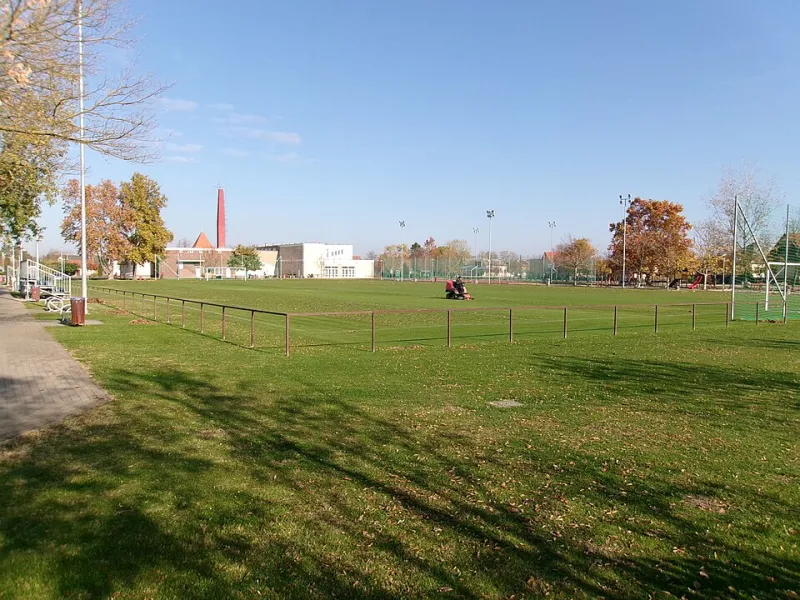
Photo: Globetrotter19, CC BY-SA 4.0, via Wikimedia Commons
Most returning players arrive at the club with the same quiet worry: that everyone else will be sharper, fitter and altogether more certain of what they are doing. At Coylton Tennis, that worry usually lasts until the first kettle boils.
Coming back to tennis is not about pretending you never left. It is about finding a way back in that feels manageable on a dreich Tuesday, enjoyable on a bright Saturday, and worth repeating the following week. Whether it has been six months or sixteen years, the court is still the same size, the net is still the same height, and the club is still full of people who remember what it was like to be the new face on the baseline.
Start Where You Are, Not Where You Left Off
There is a particular temptation, when the racket comes out of the cupboard, to expect the player you were at eighteen to stroll back onto court. That player probably had more time, fewer aches and a considerably more optimistic view of the drop shot.
The kinder approach is to treat the first few sessions as a reacquaintance rather than a comeback tour. Your timing may be a beat late. Your serve may land a little shorter. Your legs may remind you about the importance of warming up. None of that is a problem. The aim is simply to move, watch the ball and remember how good it feels to strike it cleanly.
Give yourself three or four sessions before you make any judgements. Tennis is a rhythm game, and rhythms return through repetition, not through stern self-assessment in the car park afterwards.
The First Session Is Mostly About Turning Up
At Coylton, the easiest way back is usually a social session. These are not trials, auditions or secret selection events. They are organised turn-ups where people rotate, mix in and play a few games with whoever is on the other side of the net.
Introduce yourself to whoever is organising the session and mention that you are returning after a break. That one sentence does a lot of work. It tells people to keep the first rally friendly, it gives you permission to take things gently, and it means nobody will be surprised if your second serve needs a little encouragement.
On court, the usual courtesies carry you a long way. Call the score clearly. Return stray balls when it is safe. Rotate promptly. Praise a good shot, even if it was your opponent's. The club etiquette is not complicated, and it is one of the reasons returning players settle in so quickly.
If you are unsure about the format of a club night, ask. Nobody minds explaining the rotation, and someone will almost certainly point you towards the biscuits.
A Kit Check That Saves Fuss
You do not need a new wardrobe to come back to tennis. You do need a few sensible basics.
Start with shoes that grip. Running shoes are fine for a gentle knock but they are not built for stopping and turning on a court. If your tennis shoes have been in the garage since the last time you played, check the soles before you commit to a full session.
Next, look at the racket. Old strings lose their snap even if the frame looks perfectly respectable. A restring is often the simplest upgrade a returning player can make, and it costs far less than a new racket. An overgrip is another small win, especially if the original grip has become shiny and slippery.
Bring layers, water and a towel. The weather around Coylton can change its mind midway through a set, and the clubhouse kettle is much more appealing when you are not shivering. A spare top in the bag is never wasted.
Gentle Match Play Beats Heroic Match Play
When you do move from rallies into games, keep the first few matches short and sociable. A set of doubles, a tie-break, or a couple of short sets is plenty. There is no prize for playing three hours on your first outing and regretting it for the rest of the week.
Returning players often try to win points too quickly. The smarter approach is to give yourself margin. Aim higher over the net. Use the second serve you actually own rather than the first serve you used to own. Play deep returns and let the rally develop. Consistency is not boring; it is the foundation that confidence is built on.
Choose partners who are happy to keep the ball going. A cooperative rally with a patient clubmate will do more for your timing than a scrappy match against someone treating every point like a final. If you find yourself apologising for every mis-hit, stop. Everyone has been there, and most people are far more interested in a decent rally than a flawless scoreline.
The Small Steps Between Sessions
Progress rarely arrives in a single evening. It comes from small, repeatable habits.
Try to play once a week to begin with. Add a short practice session if you fancy it: twenty minutes against a wall, a basket of serves, or a few minutes of gentle footwork before the kettle goes on. If the club has coaching sessions for adults, ask about them. A coach can spot the one or two adjustments that make the biggest difference, which is often far more useful than trying to fix everything at once.
Stretch afterwards. Drink some water. Put the racket back by the door rather than burying it in the cupboard. The next session should feel easy to say yes to.
Confidence Arrives Through Repetition, Not Revelation
There may be a day when the serve clicks, the backhand lands and you leave the court feeling ten years younger. There may also be a day when nothing quite works and the net cord seems personally offended. Both are normal.
What matters is that you keep turning up. The friendly faces at Coylton Tennis are not there because everyone is brilliant. They are there because the club is a pleasant place to spend an hour, and because the next good rally is always just around the corner.
So if the racket has been sitting by the door, looking at you accusingly, pick it up. Book a social session, pack a sensible bag and give yourself permission to be rusty. The baseline will feel familiar soon enough.