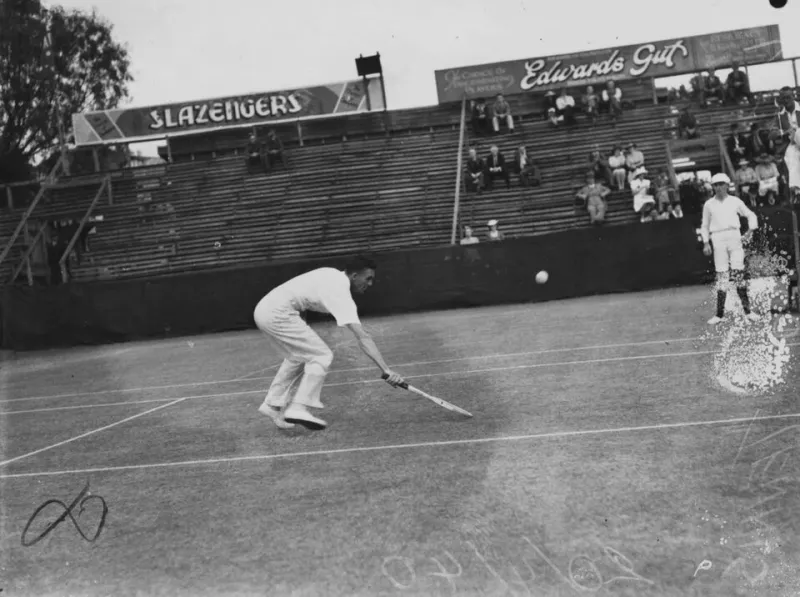
Reading the Breeze: A Coylton Guide to Blustery Tennis

Photo: tennis player adjusting serve toss on breezy outdoor court UK, via media.npr.org
There is a particular kind of Coylton tennis day when the sky looks innocent enough, the courts are dry, and then the first serve toss drifts sideways like it has somewhere better to be. The Ayrshire breeze has arrived uninvited. It is not a gale, not a reason to cancel, just enough movement in the air to make every shot feel like a small negotiation.
The good news is that windy tennis can be genuinely good fun once you stop fighting it. A bit of breeze asks different questions of your game. It rewards early decisions, sensible shot choices and a sense of humour. It also rewards the sort of clubby courtesy that makes Coylton Tennis such a welcoming place to play. Here is a practical playbook for those blustery afternoons.
Start with the toss, not a sigh
The serve toss is usually the first thing to wobble. If the wind is in your face, keep the toss lower and a little closer to your body. A shorter release gives the ball less time to travel off line. If the wind is coming from the side, many players find it helps to set up slightly differently and toss nearer to their hitting shoulder rather than chasing the perfect neutral ball.
Use the warm-up to learn the day. Hit a few serves at half pace and watch what the breeze does. Is it steady or gusting? Does it swirl around the clubhouse? A little information gathered early saves a lot of muttering later. On a really tricky day, do not be too proud to take a bit off the first serve and focus on getting the ball moving. A reliable second serve is worth its weight in gold when the air is busy.
Choose shots that forgive
Wind punishes flat, ambitious hitting. Balls that would normally land just inside the baseline suddenly sail long. The smart adjustment is to give yourself more margin. Lift the ball a little more over the net, use crosscourt angles and keep the rally alive rather than chasing the perfect line.
Down-the-line winners are tempting, but on a breezy day they are often a low-percentage adventure. Crosscourt shots give you more court to work with and a safer net clearance. If the wind is behind you, expect extra length and perhaps add a touch more spin to bring the ball down. If it is against you, aim higher and let the breeze do some of the work.
Slice can be a quiet hero in these conditions. A well-controlled slice stays low, gives the ball a different look and can hold up in the wind. It is also a lovely way to change pace when everyone is trying to hit through the gusts.
Keep the feet lively
Wind makes the ball wobble, which means your footwork has to be earlier and smaller. Get the split step in, then use little adjustment steps rather than one big lunge. If the ball holds up in the air, wait for it. If it gets pushed by a gust, move through the shot rather than reaching.
Prepare the racket early. A common windy-day mistake is leaving it late, then trying to make up for lost time with a rushed swing. Early preparation gives you the chance to make a calm, compact swing instead of a desperate swish.
Position with a bit of common sense
In singles, playing a little more centrally can help. You are covering more of the angles and giving yourself room to adjust if the ball moves. In doubles, communication matters even more than usual. If your partner is serving into the wind, the net player may need to be alert for shorter returns. If the wind is helping the serve, expect a few more floaty returns and be ready to close.
Do not crowd your partner. Windy days already make the court feel busier, so leave space, call the ball early and keep talking. A simple ‘yours’ or ‘mine’ cuts through the breeze better than a hopeful silence.
Lets, gusts and good manners
Most club players know the feeling: the ball moves slightly in a gust, someone stops, and everyone looks at each other. The friendly answer is to call a let promptly if the wind clearly interferes with play. Do not wait until the point is lost and then appeal to the heavens. If you are unsure, a quick chat before the match about how you will handle obvious gusts is a good idea.
Sharing the wind is part of the deal. Both players or teams face the same conditions, even if one end feels easier. Swap ends with good grace, offer your opponent a few extra practice serves if the toss is troublesome, and keep the chat light. Nobody at Coylton Tennis minds a bit of breeze; they mind a running commentary about it.
Make it a session worth turning up for
Windy days are a good excuse for shorter, sharper formats. Play a few tie-breaks, a short set or a friendly doubles round robin. Add a little game to your practice: one point for a crosscourt rally, two for a good second serve, three for a calm recovery after a gust. It keeps the mood upbeat and gives everyone something to focus on besides the weather.
Bring a layer, a cap and a sense of proportion. Check the courts for anything blown about, keep the clubhouse kettle in mind for afterwards and remember that the breeze is part of playing tennis in this part of the world. Learn to read it, take the safe option when it makes sense, and enjoy the fact that a blustery Coylton afternoon still beats most other ways to spend an hour.