Ready When Called: Making the Most of Life as a Coylton Team Reserve
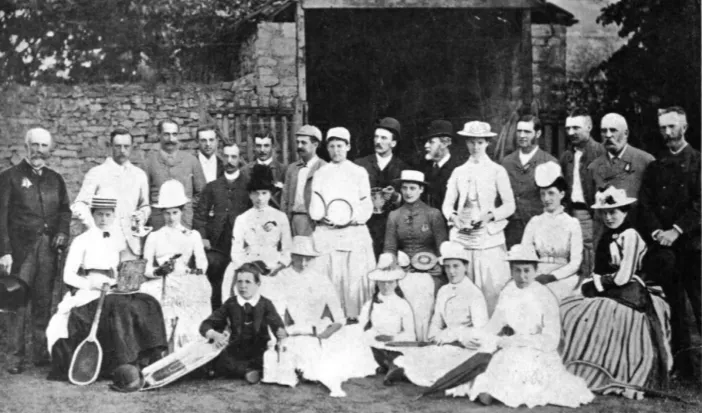
Photo: Unknown authorUnknown author, Public domain, via Wikimedia Commons
There is a particular kind of club member who never quite knows whether they are playing until the morning of the match. They have put their name down as a reserve, they have kept the date free, and now they are waiting to see whether a sniffle, a work trip or a tweaked hamstring opens the door. If that sounds familiar, take heart: being the reliable reserve is not a lesser job. It is one of the quiet reasons a club keeps functioning through the winter.
At Coylton Tennis, our league squads rely on a small pool of players who can be called upon at short notice. The best reserves are not simply available bodies. They are organised, communicative and genuinely part of the team, even when they spend the evening on the sidelines with a flask and a folding chair. This is a friendly guide to doing that role well — and perhaps enjoying it more than you expected.
Know What You Are Signing Up For
A reserve is not a spare part. You are the person who keeps a fixture alive when someone else cannot make it. That might mean a late call on a Friday evening, a Saturday morning text asking if you can step in for a doubles pair, or a request to play a slightly different role than usual. The key is to treat the commitment seriously without overthinking it. Check the fixture list, note the dates you have offered, and be honest about what you can genuinely manage. A reserve who says yes and then pulls out is far less useful than one who says no early and keeps the captain's plans intact.
It also helps to know the format. League matches at our level are usually doubles rubbers, and pairings matter. If you are called in, you may be slotting alongside a regular partner or forming a one-off pairing with someone you have barely played with. That is part of the challenge — and part of the fun.
Stay Match-Ready Without Overdoing It
The worst mistake a reserve can make is to stop playing altogether and then expect to perform on a cold Tuesday night in November. You do not need to train like a full-time athlete, but you do need to keep the engine ticking over. A weekly social session, a short solo hit against the wall, or a focused 45 minutes of serves and returns will keep your timing from disappearing entirely. If you can, play a practice set with a friend so that the scoring and the movement feel familiar.
Keep an eye on your kit, too. The reliable reserve has a bag that is always half-packed: clean socks, a spare shirt, a water bottle, maybe a hat and gloves for the colder evenings. There is nothing worse than getting the call and then spending twenty minutes hunting for a second racket or a dry towel. A small amount of preparation makes the step from spectator to player feel far less abrupt.
Communicate Like You Mean It
Availability is the currency of reserve life. If your plans change, say so early. If you are nursing a minor niggle, mention it rather than hoping it will vanish. If you are free but only until a certain time, make that clear. The captain is not mind-reading; a quick message in the club group saves everyone a headache. Good communication also works the other way — if you have not heard anything by the day before the match, a polite check-in is perfectly reasonable. It shows you are engaged rather than merely listed.
One small habit that helps: keep your phone on and your notifications visible on match days. Reserves are often called at short notice, and a reply within ten minutes can make the difference between a full team and a conceded rubber.
Warm Up Fast, Settle Quickly
When you do get the nod, you may have very little time to prepare. The secret is a short, sharp warm-up that raises the heart rate and wakes up the shoulders without leaving you flat. A few minutes of skipping or side-steps, some gentle arm circles, a handful of practice serves and a few easy rally balls will do more for you than a long stretch in the cold. If you are stepping into a match already in progress, focus on the basics: watch the ball, move your feet, and keep your first few shots simple. There is no need to try to win the match in the first game.
It also helps to have a quick word with your partner before you start. Agree on who takes the middle, how you will call the shots, and what your default formation will be. A short, clear conversation can settle the nerves for both of you.
Be a Proper Team-Mate From the Sidelines
If the call never comes, you are still part of the evening. Cheer the points, fetch the stray balls, offer a bit of encouragement, and keep the mood light. The reserve who sits in stony silence is missing the point. Our club is built on friendliness, and a supportive sideline presence is worth a lot. It also means you stay connected to the team, which makes it easier to slot in next time.
Being the reliable reserve is not about waiting around hoping for an injury. It is about being the kind of member who makes the team more resilient. If you can stay ready, stay in touch and stay positive, you will quickly become one of the first names the captain calls — and that is a compliment worth having.